Landscaping is one of the few trades where the customer genuinely cannot describe what they want. They know their garden is not working and they have seen something they liked once. That makes the portfolio not a supporting element but the primary sales tool — and it means most landscaping websites, which bury a small gallery three clicks deep behind a services list, are built backwards.
The Portfolio Is the Product
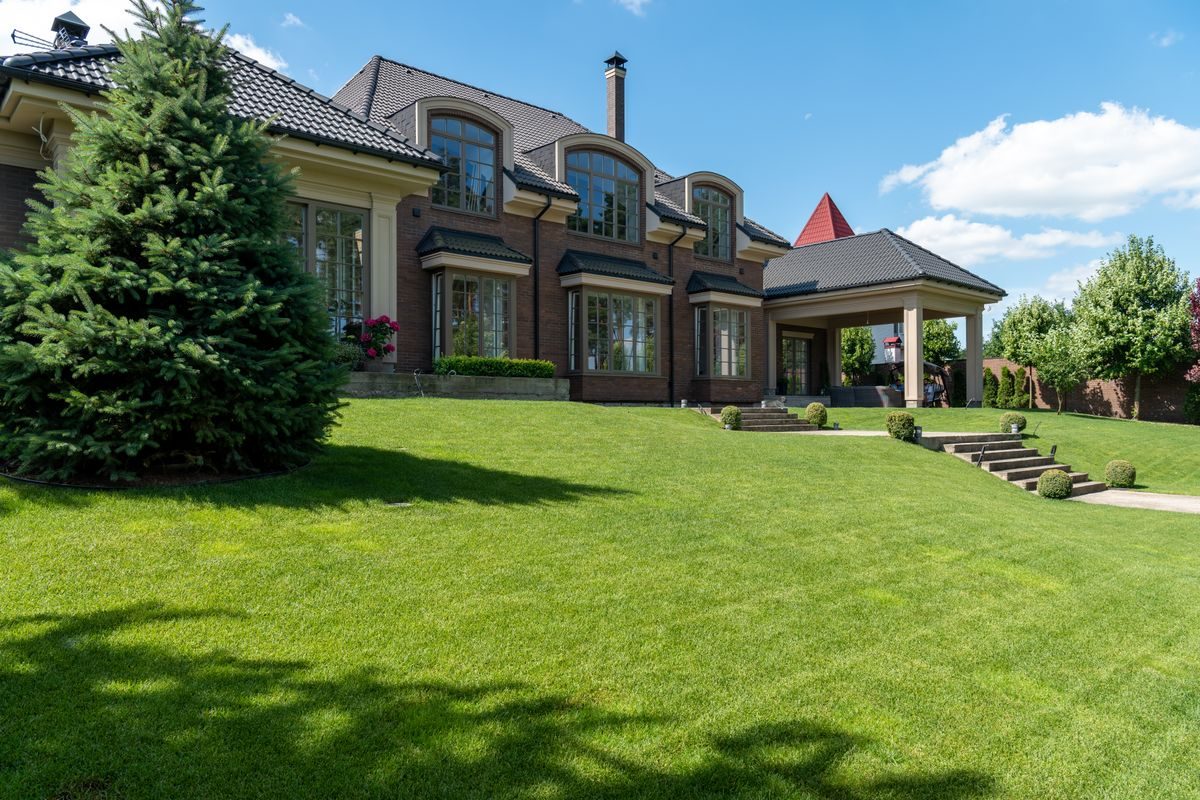
Someone considering a $15,000 garden redesign is trying to imagine the outcome. Photographs do that; service descriptions do not.
Structure the gallery by project type, not chronologically. Visitors arrive wanting patios, or planting schemes, or a full redesign. A single undifferentiated gallery of 200 images makes them hunt. Categories that work:
- Patios and hardscaping
- Planting and garden design
- Lawns and turf
- Water features
- Outdoor lighting
- Decking and structures
- Commercial grounds
Before-and-after pairs outperform finished shots. The transformation is the story. A photograph of a beautiful finished garden is pleasant; the same garden next to what it looked like beforehand is persuasive, because it lets the visitor map their own situation onto the outcome.
Give substantial projects their own case study pages. What the client wanted, what the constraints were, what you did, what it cost as a range, how long it took. These pages rank for long-tail searches and they answer the two questions every prospect has and rarely asks directly: how much, and how long.
Use real photographs. Stock landscaping images are recognisable and they undermine the entire premise. If your photography is poor, that is a higher-return investment than a redesign — $600 for a proper shoot of your best six projects changes the site more than $6,000 of design work.
Handle the Seasonality
Landscaping demand is sharply seasonal and most sites ignore it entirely.
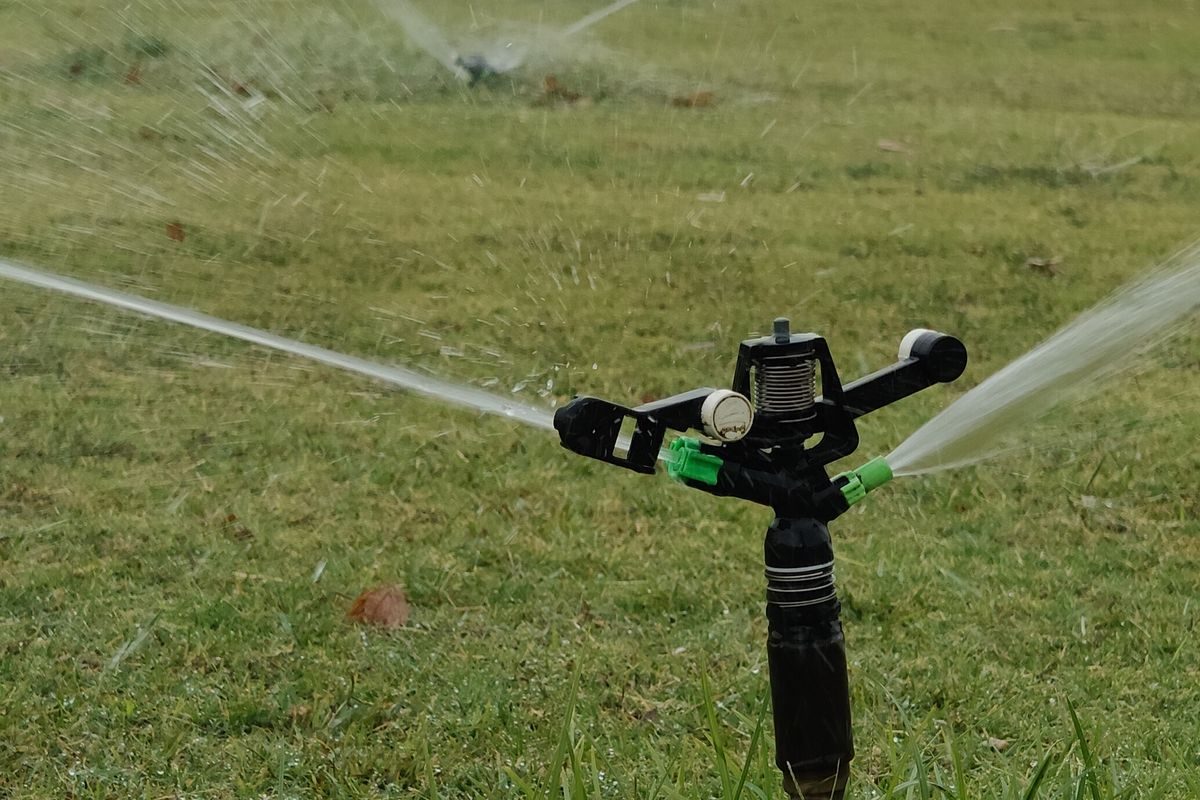
Separate pages for seasonal services, each substantial enough to rank independently: spring clean-ups, lawn treatment programmes, autumn leaf clearance, winter services, snow removal where relevant, irrigation opening and winterising.
Publish ahead of demand. Content takes months to rank, so a page about spring garden preparation needs to be live in autumn, not March.
Push maintenance contracts in the off-season. Recurring maintenance is the most valuable revenue a landscaping business has — it smooths cash flow and locks in customers. Give it a dedicated page with clear tiers and pricing, and market it when design work is quiet.
Rotate homepage emphasis with the season, so the first thing a visitor sees matches what they are currently thinking about.
Getting Quote Requests
Landscaping enquiries are considered, not urgent. The form should reflect that.
Ask enough to qualify, not so much that people abandon. Useful fields: property type, project type, rough budget range, timeline, and location. Budget range in particular saves everyone time — a client expecting a full redesign for $2,000 is a conversation worth having before the site visit, not during it.
Let people upload photos. A visitor who can attach three pictures of their garden is far more engaged and gives you enough to respond usefully.
Be explicit about your process. “Site visit within five working days, written proposal within a week” removes the uncertainty that stops people enquiring.
State your service area clearly. Landscaping is radius-limited and mismatched enquiries waste time on both sides.
Publish price ranges, even approximate ones. Most landscaping sites refuse, and it is the single most common reason visitors leave. “Patios typically start around $X per square metre” filters out the unsuitable and reassures the suitable.
What Builds Trust
- Insurance and licensing, stated plainly
- Professional memberships — trade associations carry real weight in this sector
- Reviews with photographs, ideally tied to visible projects
- Team photographs — customers are letting people onto their property, often while they are out
- Years in business and typical project size
- Guarantees on planting or workmanship
Where Organic Traffic Comes From
Landscaping sites can rank for genuinely useful content that portals and directories do not cover well:
- Cost content — “how much does a patio cost,” “garden redesign cost [region].” High intent and heavily searched.
- Design inspiration — “small garden ideas,” “low maintenance front garden.” Broad, visual, and a natural fit for your portfolio.
- Plant and material guidance specific to your climate — what actually survives locally is something national content cannot answer.
- Seasonal how-to — lawn care calendars, when to prune, winter protection.
- Local project pages for the areas you serve, with real photographs of real work in those areas.
That last one is how location pages should be done. Not a template with the town name swapped — that is a doorway page pattern and it is treated as spam. Instead: actual projects, actual photographs, actual local detail like soil type or typical garden size in that area.
Speed, Because It Is All Images
Landscaping sites are image-heavy by definition, and they are frequently among the slowest sites in local search. That matters because visitors browse galleries on phones.
- Serve modern formats at sensible dimensions rather than uploading camera originals
- Lazy-load everything below the fold
- Use a lightbox that loads full resolution only on demand
- Avoid page builders that ship megabytes of unused code
Our guide to Core Web Vitals covers what to measure, and how to speed up WordPress covers the fixes if you are on WordPress.
Local SEO
For a landscaping business the Google Business Profile frequently outperforms the website:
- Complete profile, correct primary category, accurate service areas
- Photographs uploaded regularly — this is a visual category and Google Business Profile photos get real engagement
- Systematic review requests after every completed job
- Consistent NAP across directories
- LocalBusiness schema on the site
Our local SEO guide covers the fundamentals.
Rough Budget
- Template build with a properly structured gallery: $2,000–5,000
- Custom design with case studies and quote system: $5,000–15,000
- Larger operation with commercial and residential divisions: $15,000+
Photography is the line item worth protecting — typically $500–2,500 and consistently the highest-return spend in this category. Our guide to how much a website costs covers the general drivers.
Show the Work
The whole strategy reduces to one thing: make it easy for someone to see work you have done that resembles what they want, then make it easy to ask you about it.
Most landscaping sites get this backwards — services first, portfolio buried, no prices, no process. The ones that convert put photographs on the homepage, organise them by what people actually want, publish enough about cost and process to be useful, and put a quote form one click away from every image.
For the search half, the same local principles apply across the trades — see SEO for roofers and SEO for HVAC contractors.
If you want a landscaping website built around your portfolio rather than a services list, our web design services cover design, build and structure. Get in touch with the team at blogthememachine.com, and subscribe to our newsletter below for more guides.