If you have ever tried to hire someone to build a website and found yourself staring at two nearly identical job titles, you are not alone. Web design and web development are terms that get used interchangeably every day — by clients, job boards, and even professionals who should know better. But they describe genuinely different skill sets, different tools, and different outcomes. Understanding the distinction is not just academic. It will save you time, money, and the frustration of hiring the wrong person for your project.
What Is Web Design?
Web design is the discipline concerned with how a website looks, feels, and communicates. A web designer thinks visually and strategically. They ask questions like: Does this layout guide the user’s eye toward the call to action? Does the color palette reflect the brand’s personality? Is the typography readable on a small screen?
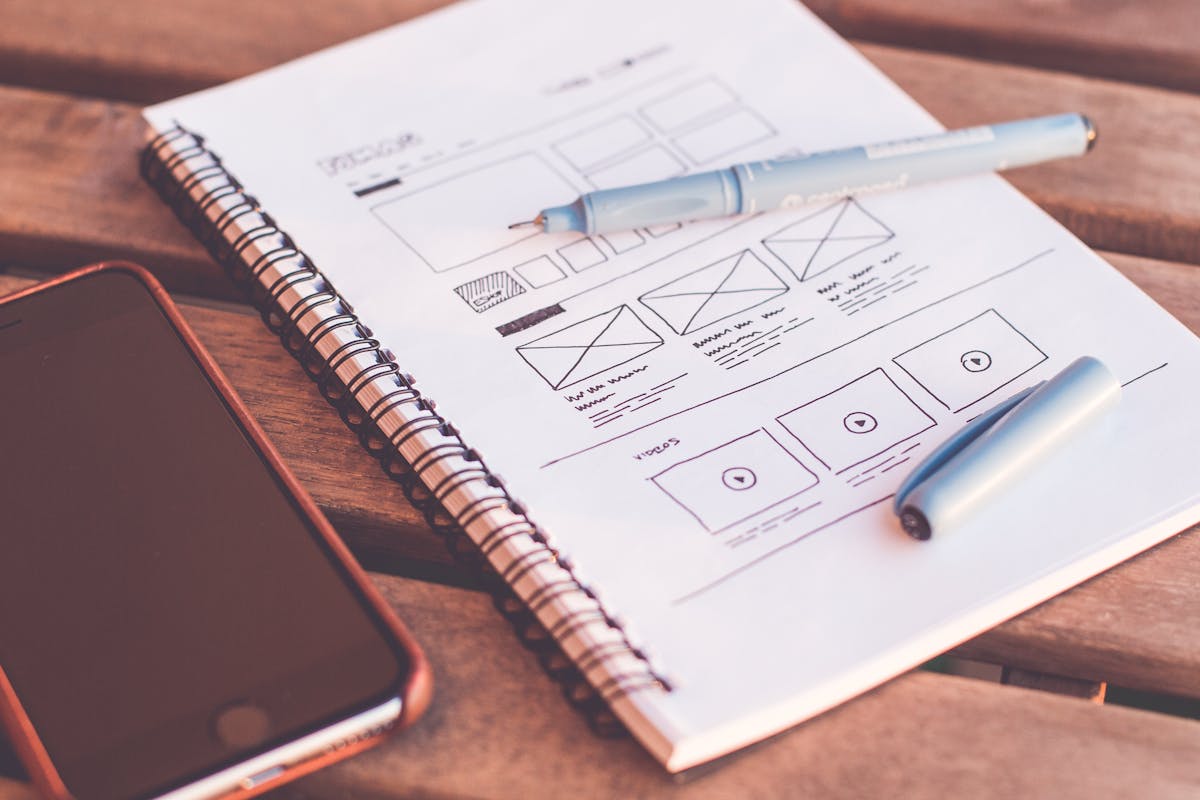
Web designers work primarily in visual tools. You will find them in Figma, Adobe XD, or Sketch — crafting wireframes, mockups, and prototypes before a single line of code is written. Their output is often a static design file that represents the finished product visually, ready to be handed off to a developer for implementation.
Core responsibilities of a web designer include:
- Creating user interface (UI) layouts and visual hierarchies
- Selecting fonts, color palettes, and imagery
- Designing for user experience (UX) — meaning they map out how a visitor navigates through the site
- Producing responsive design mockups that account for mobile, tablet, and desktop screens
- Building interactive prototypes to test usability before development begins
A great web designer understands psychology, branding, and user behavior. They know why a button placed above the fold converts better than one buried at the bottom of a page, and they can defend every visual decision with both data and instinct.
What Is Web Development?
Web development is the discipline of building the actual, functional website — the part that runs in a browser. Developers take design files (or written requirements) and bring them to life using code. Where a designer works in pixels, a developer works in logic.
Web development is typically split into two specializations:
Front-End Development
Front-end developers write the code that users see and interact with directly. This includes HTML for structure, CSS for styling, and JavaScript for interactivity. When you click a dropdown menu, submit a contact form, or watch an image carousel rotate, that is front-end code at work. Front-end developers bridge the gap between design and technology — they are often the ones translating a designer’s Figma file into a working browser experience.
Back-End Development
Back-end developers build the systems that power a website behind the scenes: databases, servers, APIs, and application logic. If you log into a membership site, place an order in an e-commerce store, or see personalized content based on your browsing history, a back-end developer built those systems. Common back-end languages include PHP, Python, Node.js, and Ruby.
Full-Stack Development
A full-stack developer works across both front-end and back-end. This role is common in smaller agencies and startups where one person needs to own the entire technical build.
Where the Roles Overlap
In practice, the boundary between design and development has blurred considerably over the past decade. Several factors contribute to this:
- WordPress and page builders — Tools like Elementor, Divi, and the block editor allow designers to build and publish websites without writing code, making visual design and site construction the same activity.
- CSS proficiency in designers — Many experienced designers write CSS fluently, allowing them to implement their own designs directly in a browser.
- Design systems — Shared component libraries mean developers are making design decisions, and designers are thinking in components and constraints.
- No-code and low-code tools — Platforms like Webflow, Squarespace, and Framer let designers ship production-ready sites without a developer at all.
Despite this overlap, they remain separate disciplines at a professional level. A skilled designer is not automatically a skilled developer, and vice versa. The difference shows up clearly on complex projects.
Which Role Do You Actually Need?
This is the question that matters most when you are planning a project. Here is a practical breakdown:
Hire a web designer if:
- You need a new visual identity or brand refresh alongside your website
- You are starting from scratch and need to figure out layout, navigation, and messaging before anything is built
- You have a developer but lack clear design direction
- You want user experience research and testing
Hire a web developer if:
- You already have approved designs and need them built
- You need custom functionality — booking systems, member portals, API integrations, payment processing
- Your existing site has technical performance or security problems
- You need back-end systems, databases, or custom application logic
Hire both (or an agency) if:
- You are building a new website from the ground up
- You need a cohesive result where design and code are developed in sync
- Your project involves complex features and a distinct brand presence
- You want a single accountable team rather than coordinating two separate freelancers
If you are thinking through the financial side of this decision, read our guide on how much does a website cost — it breaks down what you should expect to pay depending on the scope and who you hire.
Common Misconceptions Worth Clearing Up
“A good developer can just design the site too.” Sometimes, but rarely at a high level. Development and design require different kinds of thinking. A developer who designs will often produce a functional but visually generic result. Similarly, a designer who attempts complex development often hits limits quickly.
“Design is just making things pretty.” This undersells the role significantly. Good design is a strategic business tool. A well-designed website converts more visitors, communicates brand value faster, and reduces support burden by making navigation intuitive.
“You only need one or the other.” For anything beyond a basic template site, you almost always need both. They serve different phases of the project and catch different types of problems.
If you are building a portfolio to showcase your own design work and need to position yourself effectively, the guidance in our web design portfolio tips article is worth reading before you publish anything.
Conclusion
Web design and web development are complementary disciplines, not interchangeable ones. Design shapes what users see and how they feel. Development shapes what the site actually does and how reliably it performs. The best websites are the result of both disciplines working in harmony — and knowing the difference helps you hire smarter, budget more accurately, and set clearer expectations for your project.
Ready to build something worth visiting? Whether you need strategic design, technical development, or a team that handles both, we would love to help. Get in touch with us or subscribe to our newsletter for weekly insights on web design, development, and digital marketing that actually moves the needle.