Restaurant websites have an unusually clear job and an unusually high failure rate. Someone is standing on a street, or sitting on a sofa at 6pm, deciding where to eat in the next hour. They want four things: what you serve, what it costs, whether you are open, and how to book or order. Most restaurant sites make at least two of those genuinely difficult — and the single most common culprit is a menu published as a PDF.
The Four Things, In Order
1. The Menu — As Real Web Pages
Do not publish your menu as a PDF. This is the most damaging and most common mistake in the category.
A PDF menu is bad for users: it downloads slowly, renders badly on phones, requires pinch-zooming, and often opens in a separate app. It is worse for search: Google indexes PDFs poorly, you lose the ability to mark up individual dishes, and you cannot rank for the dish-level searches that drive discovery.
Those dish-level searches matter. People search “best carbonara near me,” “gluten free pizza [town],” and “vegan brunch [neighbourhood].” A menu in HTML, with dish names as real text, can rank for all of it. A PDF cannot.
Build the menu as web pages, with sections, prices as text, and dietary markers. Add Menu and MenuItem schema so search engines can read the structure directly.
If you must offer a printable version, offer it alongside the HTML menu, not instead of it.
2. Hours That Are Correct
Wrong hours are the fastest way to lose a customer permanently. Someone who drives to a closed restaurant does not come back.
Publish hours as text on the site, keep them identical on your Google Business Profile, and update both for holidays. Google Business Profile is where most people actually check, so if you only maintain one, maintain that one.
3. Location and Parking
Address as text, an embedded map, and — critically — parking information. In city locations, “where do I park” is a genuine decision factor and almost no restaurant site answers it.
4. Booking and Ordering, One Tap Away
Reservation and ordering buttons belong in the header on every page, not just the homepage. Integrate with whatever you already use — OpenTable, Resy, SevenRooms for reservations; Toast, Square, or your own system for ordering.
A note on third-party delivery platforms: DoorDash, Uber Eats and Deliveroo take 15–30% commission. Driving customers to your own ordering system where possible is worth real money. Feature direct ordering prominently and treat the aggregators as discovery channels rather than your primary path.
Photography Is the Product
Restaurants are one of the few categories where photography genuinely drives the decision. Stock images of generic pasta actively hurt — people recognise them, and they signal that the real food may not be worth photographing.
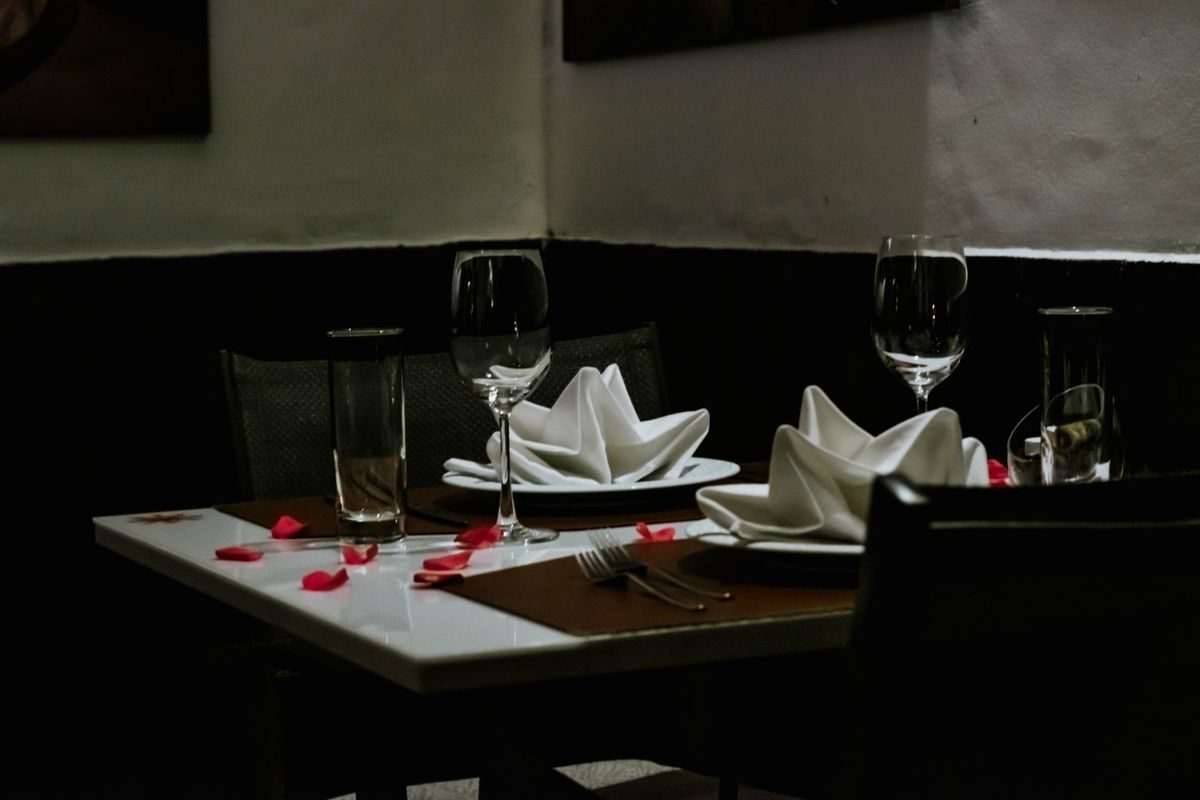
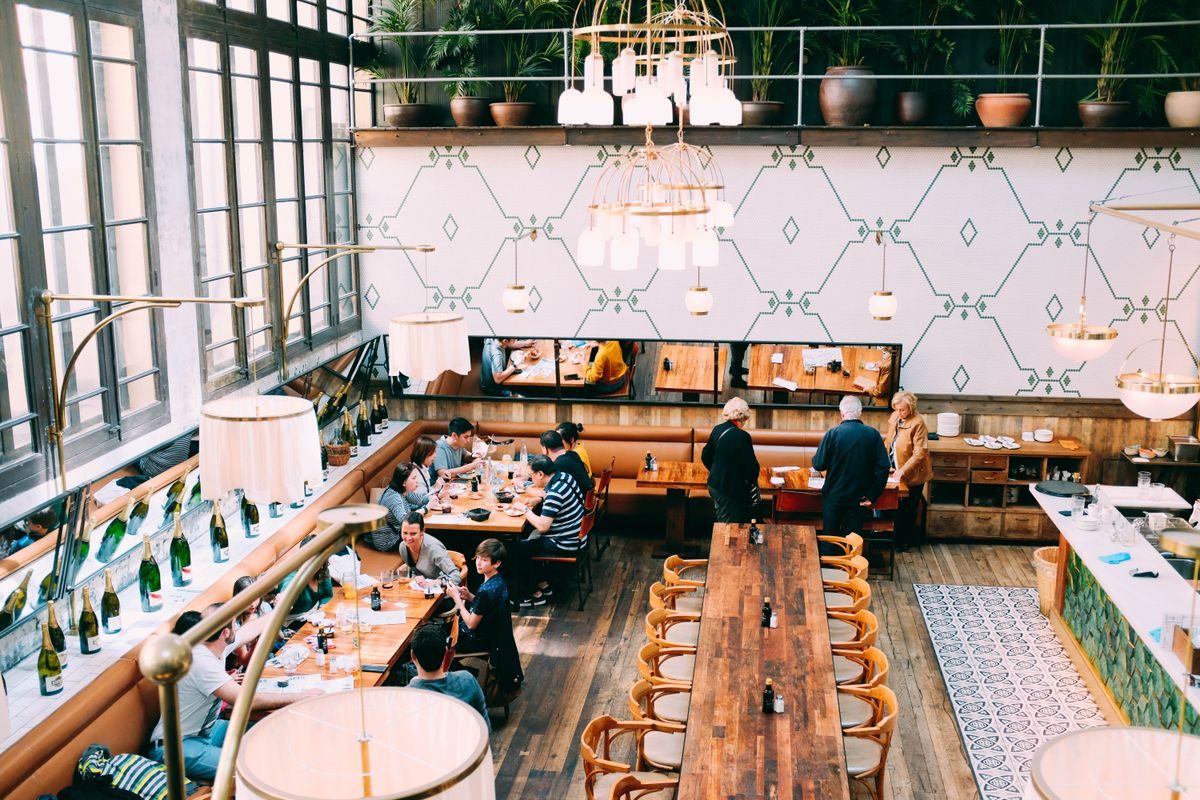
Invest once in a proper shoot: your actual dishes, your actual room, your actual staff. Include the space, not just plates. People are choosing an atmosphere as much as a meal.
Compress the images properly afterwards. Restaurant sites are frequently slow precisely because they are photography-heavy, and a slow site loses the person deciding where to eat right now. Our guide to Core Web Vitals covers what to measure.
Mobile Is Not a Consideration, It Is the Design
A large majority of restaurant traffic is mobile, often on cellular data, often outdoors in bright light. That means:
- Large, tappable buttons for call, directions, menu, and book
- High contrast text that survives sunlight
- No hover-dependent navigation
- Phone number as a tap-to-call link
- Nothing important behind a hamburger menu
Design the mobile layout first and let desktop follow. Our guide to mobile UX design best practices covers the fundamentals.
Local SEO Does the Heavy Lifting
For most restaurants, the Google Business Profile drives more traffic than the website does. Treat it as a primary asset:
- Complete every field, including attributes like outdoor seating and dietary options
- Upload photos regularly
- Respond to reviews, including negative ones
- Keep the menu link current
- Post about specials and events
On the website itself, add LocalBusiness and Restaurant schema with cuisine type, price range, and opening hours. Our guide to local SEO for small businesses covers the wider picture.
For multiple locations, each needs its own page with genuinely distinct content — real photos, real hours, real staff. Template pages with the suburb swapped are doorway pages and will not rank.
What to Cut
Autoplay video with sound. Universally disliked and often the reason someone closes the tab.
Splash pages and intro animations. Nobody deciding where to eat wants a brand film first.
“Chef’s philosophy” as the homepage. One paragraph on the about page is plenty.
Music that plays automatically. Still happens, still wrong.
A PDF menu. Worth repeating.
Gated newsletter popups on arrival. Ask after they have found what they came for, if at all.
Rough Budget
- Template build, single location, professionally set up: $2,000–6,000
- Custom design with ordering and reservation integration: $6,000–20,000
- Multi-location group with location architecture: $20,000+
Photography is a separate and worthwhile line item — typically $800–3,000 for a proper shoot. It usually delivers more return than an extra $3,000 of design.
Our guide to how much a website costs covers what drives these figures.
Optimise for the Person Deciding Right Now
The useful test for any restaurant website: hand someone a phone, tell them they are hungry and standing two streets away, and watch. If they can see the menu, confirm you are open, and book a table in under thirty seconds without pinch-zooming a PDF, the site works.
Almost everything else — the brand story, the gallery, the newsletter signup — is secondary to that thirty seconds. Restaurants that win online are rarely the ones with the most beautiful websites. They are the ones where the basics are frictionless and the food photography is real. The search side matters just as much, and it starts with that same PDF menu — see restaurant SEO for why it costs you dish-level traffic.
If you want a restaurant website built around ordering and reservations rather than brand storytelling, our web design services cover design, build, and integration. Get in touch with the team at blogthememachine.com, and subscribe to our newsletter below for more practical guides.